SPACE X LAUNCHES
SPACE EXPLORATION TECHNOLOGIES CORP. IS AN AMERICAN AEROSPACE MANUFACTURER AND SPACE TRANSPORTATION SERVICES COMPANY HEADQUARTERED IN HAWTHORNE, CALIFORNIA. IT WAS FOUNDED IN 2002 BY ELON MUSK WITH THE GOAL OF REDUCING SPACE TRANSPORTATION COSTS TO ENABLE THE COLONIZATION OF MARS.
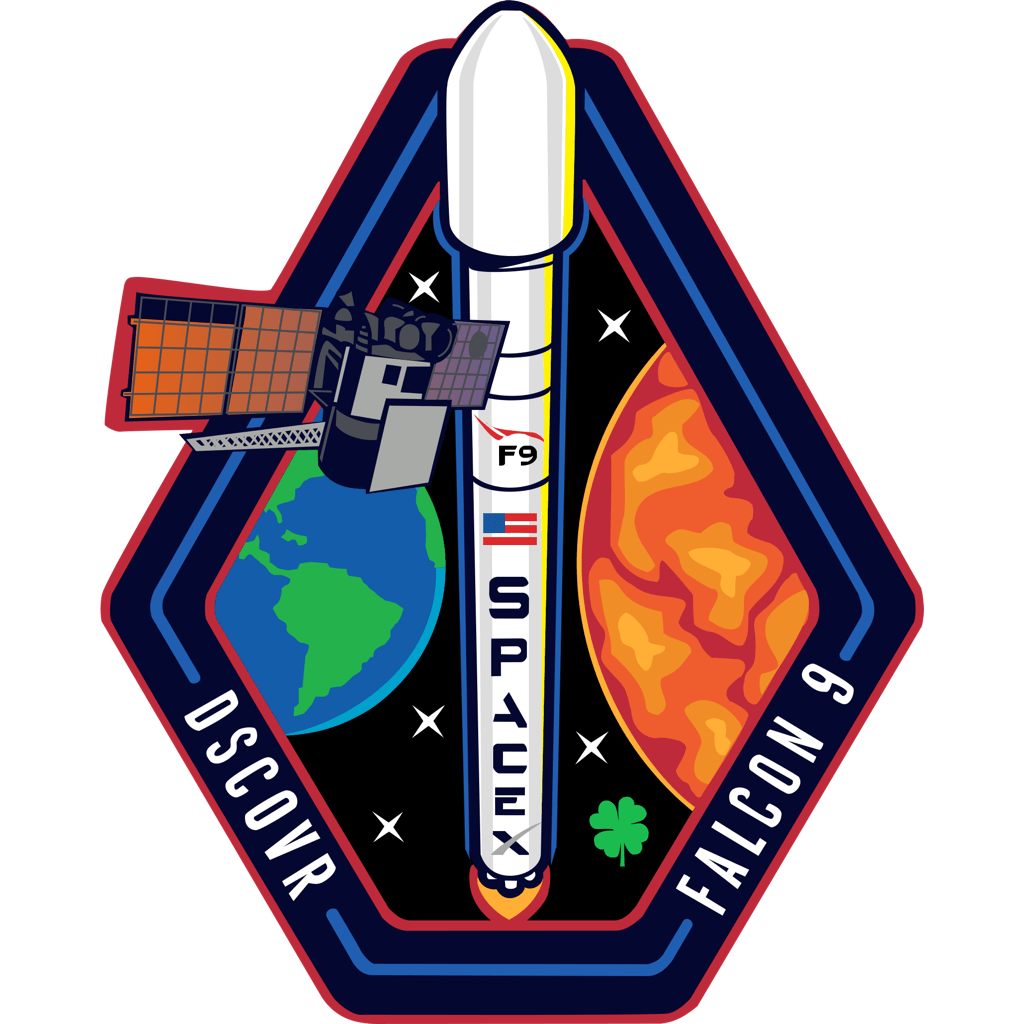
First launch under USAF's OSP 3 launch contract. First SpaceX launch to put a satellite to an orbit with an orbital altitude many times the distance to the Moon: Sun-Earth libration point L1. The first stage made a test flight descent to an over-ocean landing within 10 m (33 ft) of its intended target.
Following second stage separation, SpaceX performed a test flight which attempted to return the first stage of the Falcon 9 through the atmosphere and land it on an approximately 90-by-50-meter (300 ft x 160 ft) floating platform-called the autonomous spaceport drone ship. Many of the test objectives were achieved, including precision control of the rocket's descent to land on the platform at a specific point in the Atlantic ocean, and a large amount of test data was obtained from the first use of grid fin control surfaces used for more precise reentry positioning. The grid fin control system ran out of hydraulic fluid a minute before landing and the landing itself resulted in a crash.
Total payload mass was 1,316 kg (2,901 lb) : 6 satellites weighing 172 kg each, plus two 142-kg mass simulators. This was the second Falcon 9 booster equipped with landing legs. Following second-stage separation, SpaceX conducted a controlled-descent test of the first stage, which successfully decelerated from hypersonic velocity in the upper atmosphere, made reentry and landing burns, deployed its legs and touched down on the ocean surface. As with the previous mission, the first stage then tipped over as expected and was not recovered.
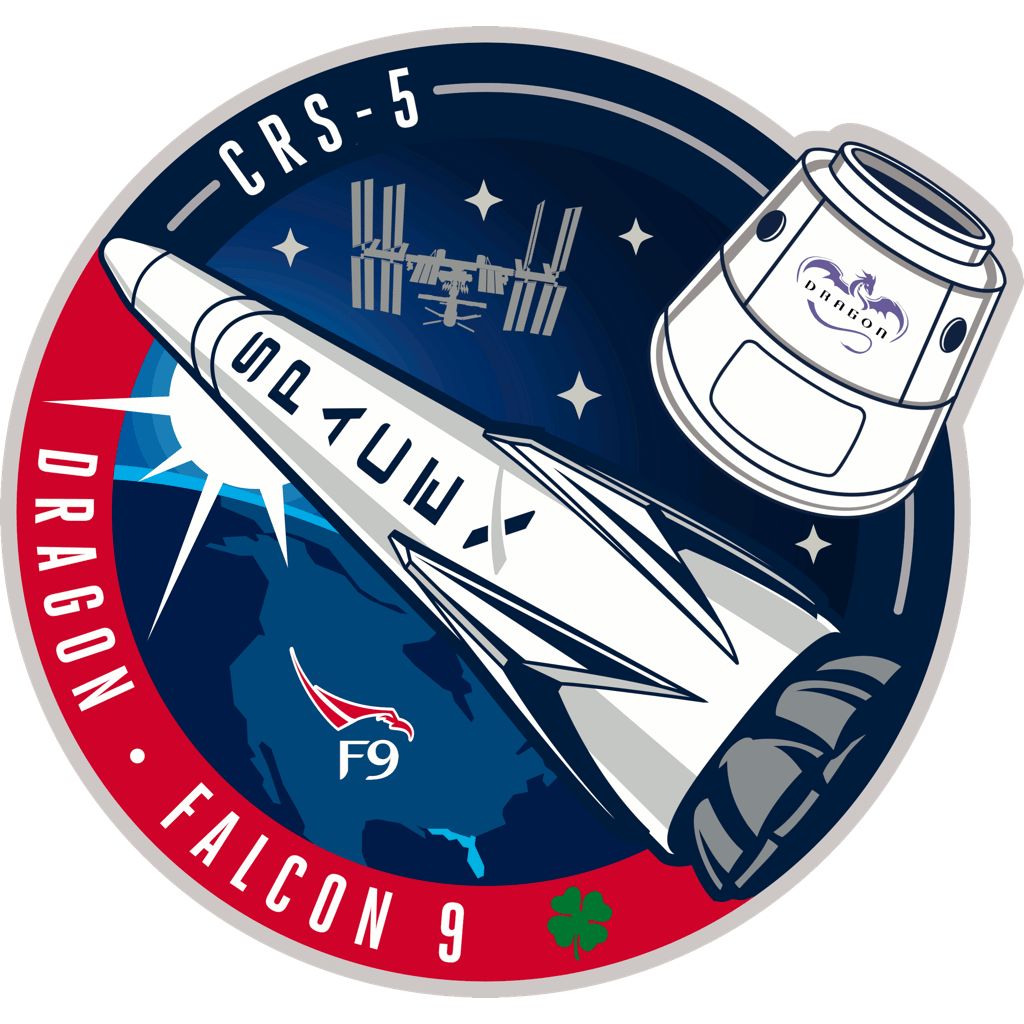
Following second-stage separation, SpaceX conducted a second controlled-descent test of the discarded booster vehicle and achieved the first successful controlled ocean touchdown of a liquid-rocket-engine orbital booster. Following touchdown the first stage tipped over as expected and was destroyed. This was the first Falcon 9 booster to fly with extensible landing legs and the first Dragon mission with the Falcon 9 v1.1 launch vehicle.
Second GTO launch for Falcon 9. The USAF evaluated launch data from this flight as part of a separate certification program for SpaceX to qualify to fly U.S. military payloads and found that the Thaicom 6 launch had "unacceptable fuel reserves at engine cutoff of the stage 2 second burnoff"
Commercial mission and first Falcon 9 v1.1 flight, with improved 13-tonne to LEO capacity. Following second-stage separation from the first stage, an attempt was made to perform an ocean touchdown test of the discarded booster vehicle. The test provided good test data on the experiment-its primary objective-but as the booster neared the ocean, aerodynamic forces caused an uncontrollable roll. The center engine, depleted of fuel by centrifugal force, shut down resulting in the impact and destruction of the vehicle.
CRS-1 successful, but the secondary payload was inserted into abnormally low orbit and lost due to Falcon 9 boost stage engine failure, ISS visiting vehicle safety rules, and the primary payload owner's contractual right to decline a second ignition of the second stage under some conditions.
CRS-1 successful, but the secondary payload was inserted into abnormally low orbit and lost due to Falcon 9 boost stage engine failure, ISS visiting vehicle safety rules, and the primary payload owner's contractual right to decline a second ignition of the second stage under some conditions.
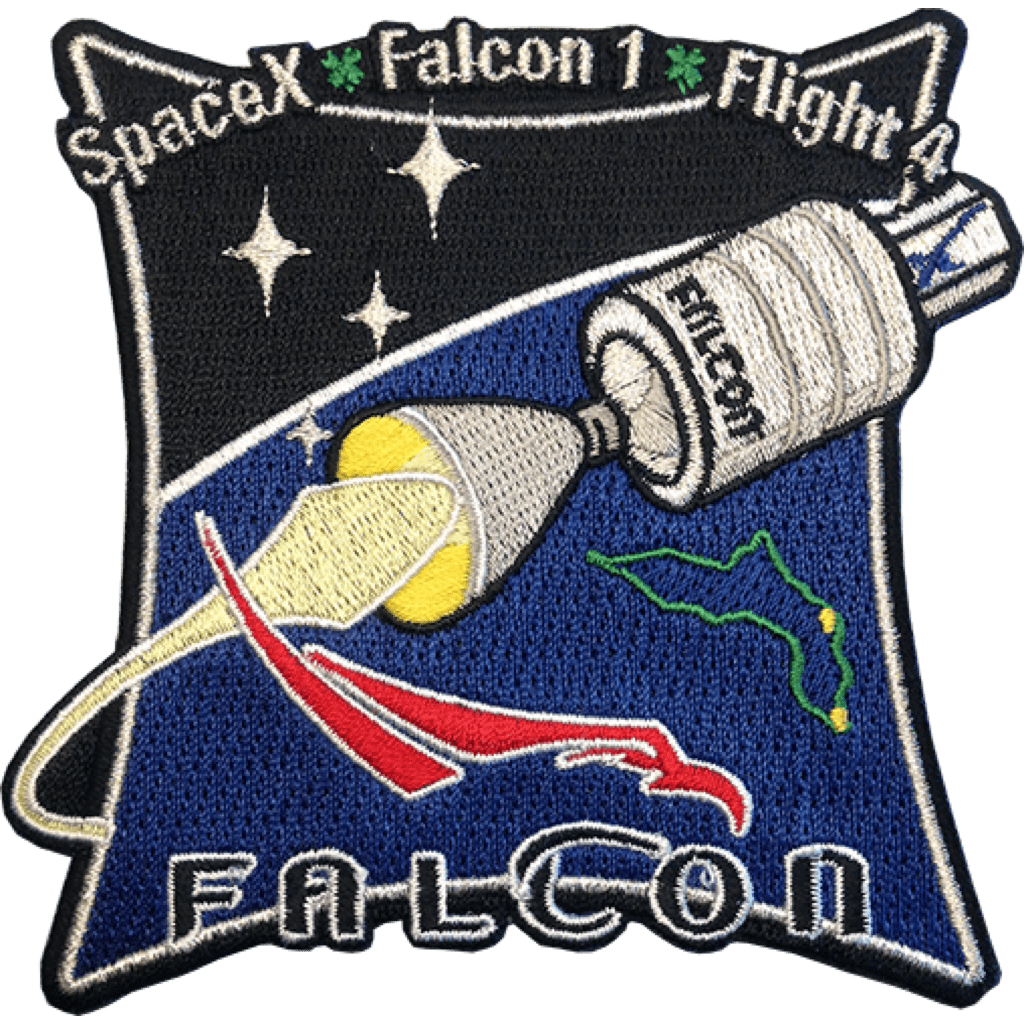
Ratsat was carried to orbit on the first successful orbital launch of any privately funded and developed, liquid-propelled carrier rocket, the SpaceX Falcon 1
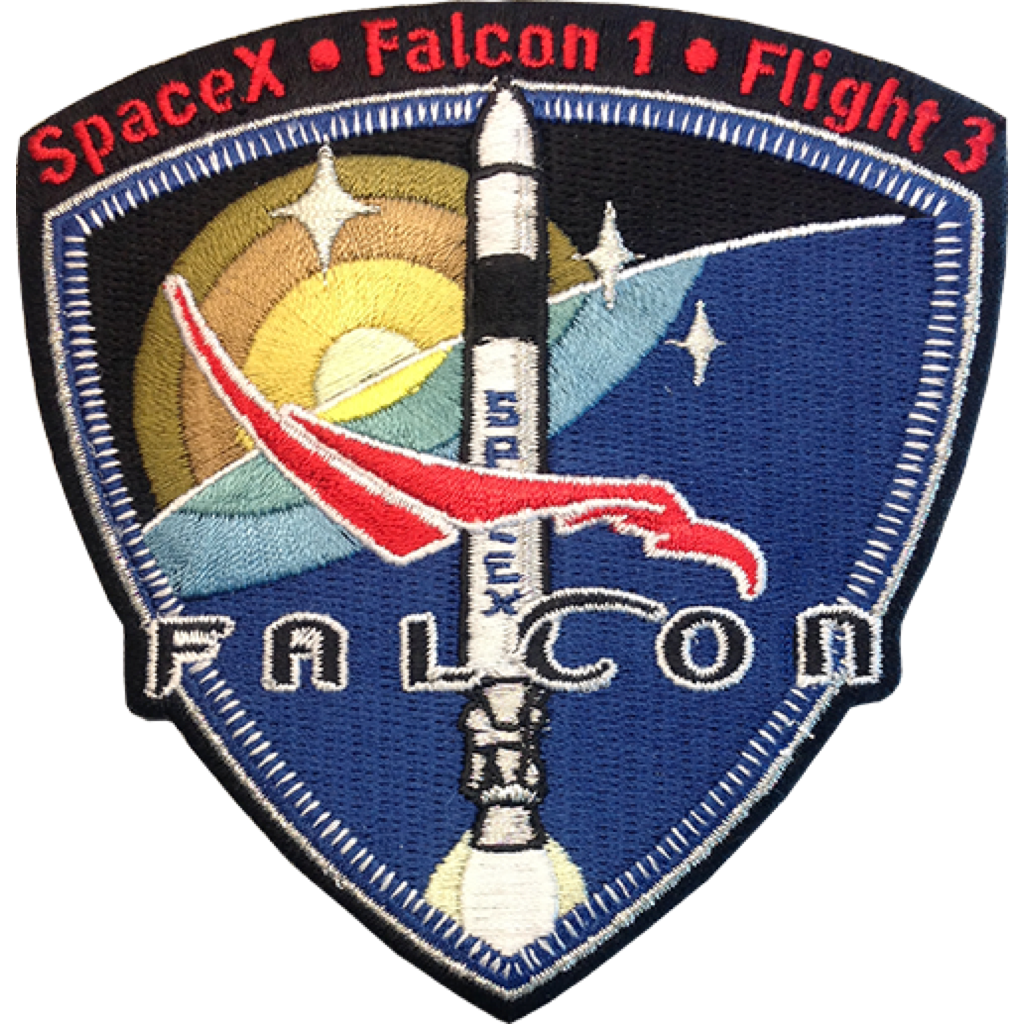
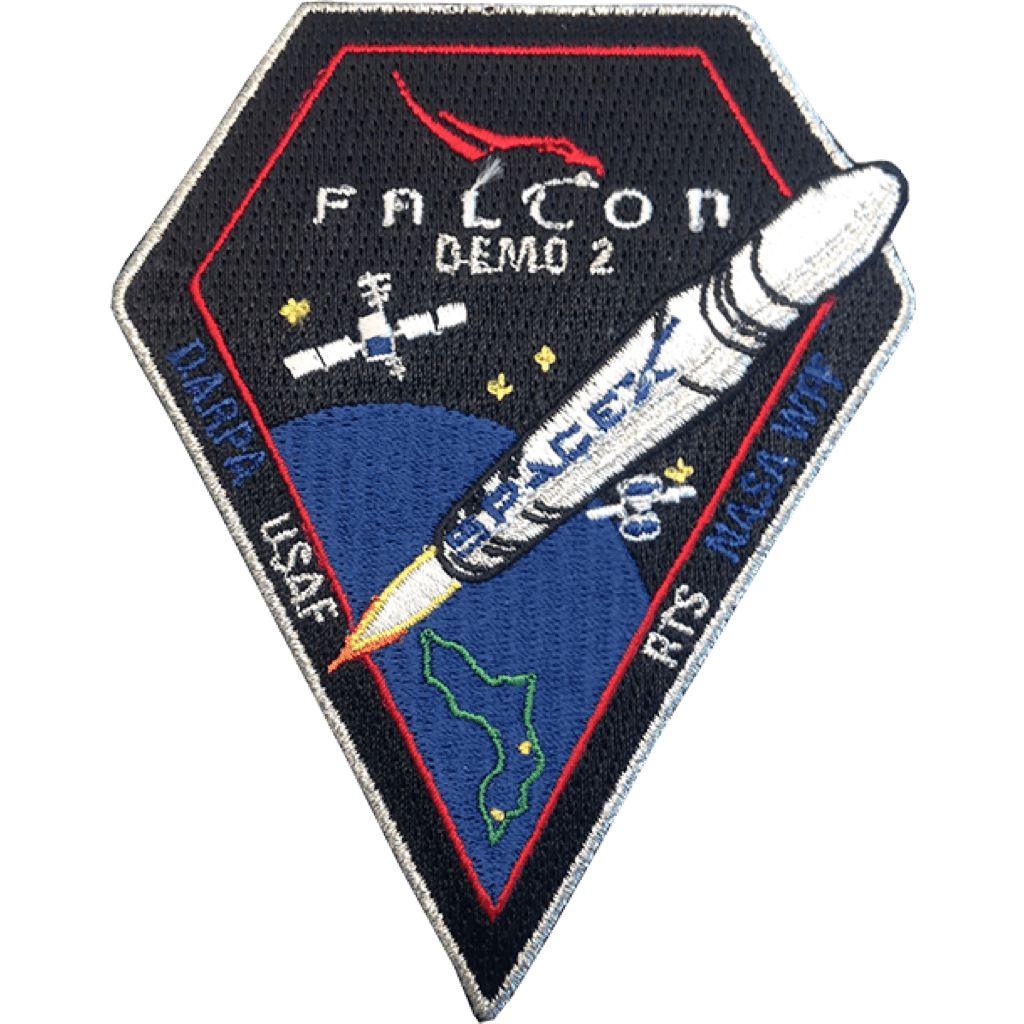
Successful first stage burn and transition to second stage, maximum altitude 289 km, Premature engine shutdown at T+7 min 30 s, Failed to reach orbit, Failed to recover first stage
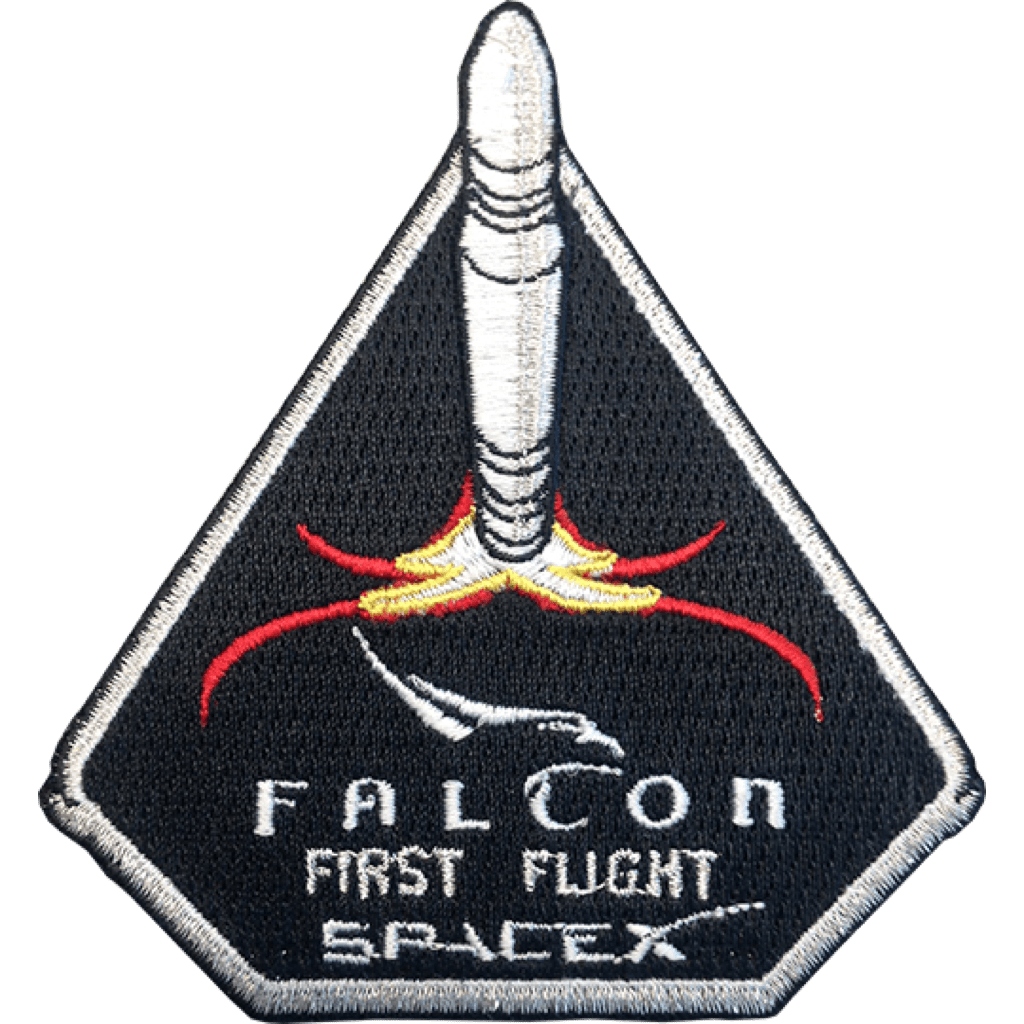
SpaceX's sixteenth flight of 2018 launched the Telstar 18v GEO communication satellite for Telesat, the second launch for the canadian company in a few months. The first stage was a new Falcon 9 V1.2 Block 5 which was successfully recovered on OCISLY.
First flight with fairing 2.0. Will also carry two SpaceX test satellites for the upcoming Starlink constellation.
Among other cargo, an International Docking Adapter (IDA-2) was carried to the ISS. This mission had a successful first-stage landing at Cape Canaveral.*Including the reusable Dragon Capsule, total payload to orbit was 6457 kg.
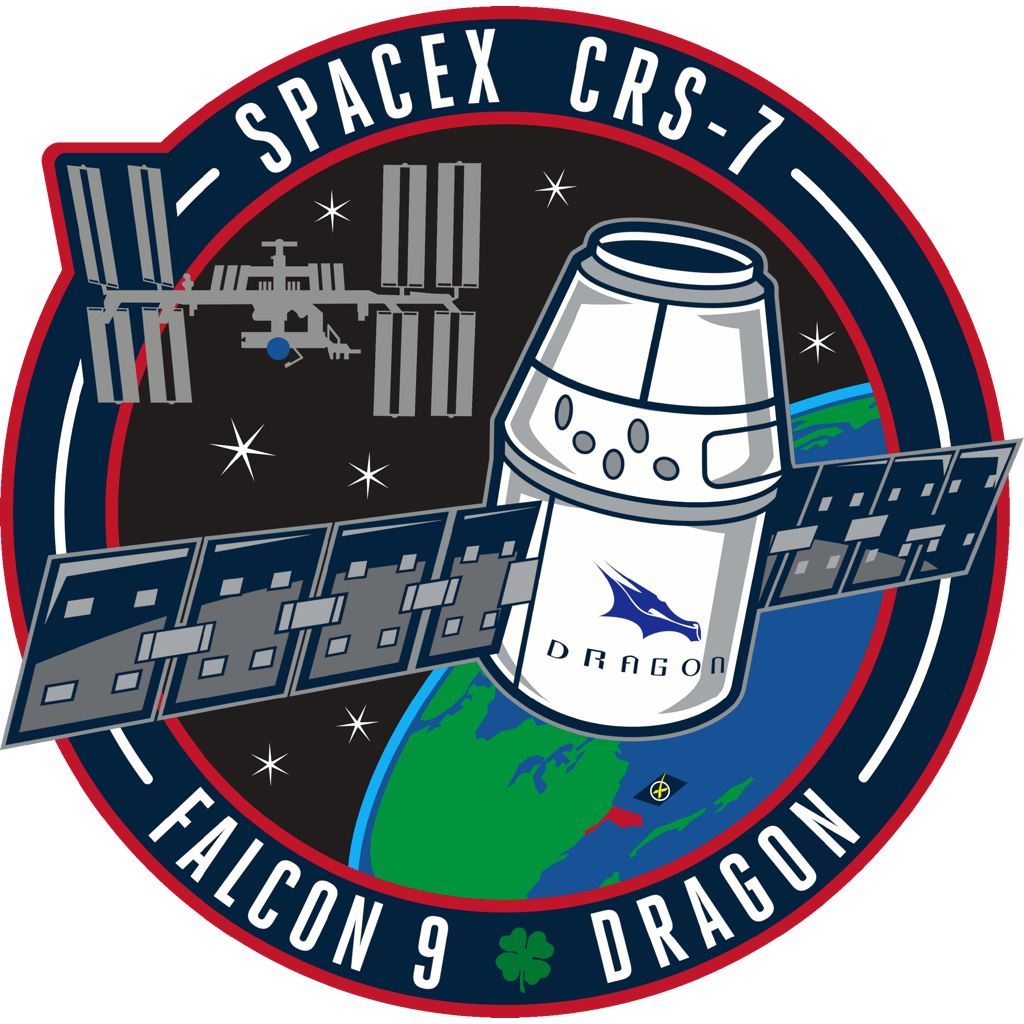
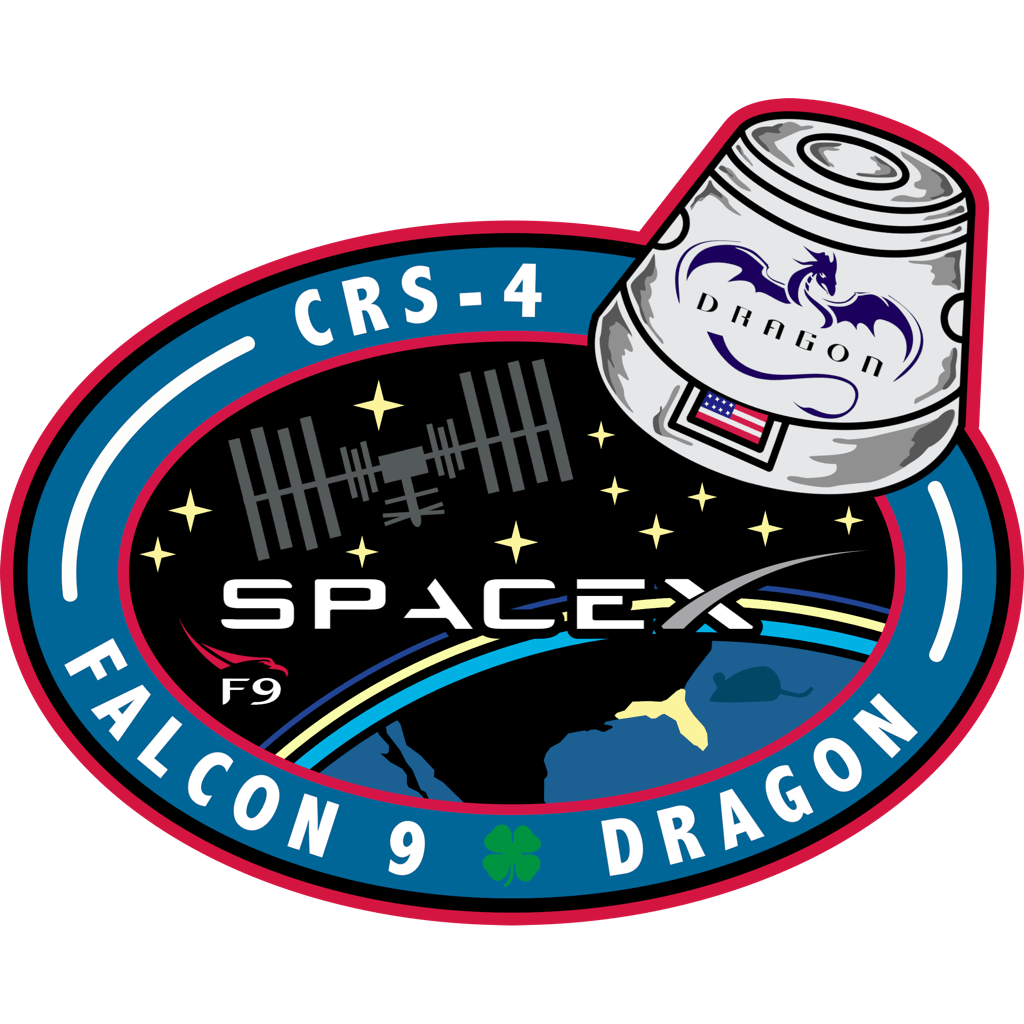
Launch performance was nominal until an overpressure incident in the second-stage LOX tank, leading to vehicle breakup at T+150 seconds. The Dragon capsule survived the explosion but was lost upon splashdown because its software did not contain provisions for parachute deployment on launch vehicle failure.